Romain Langasque shares cherished memories from his 2016 Masters debut, including an unexpected meeting with a golfing legend.
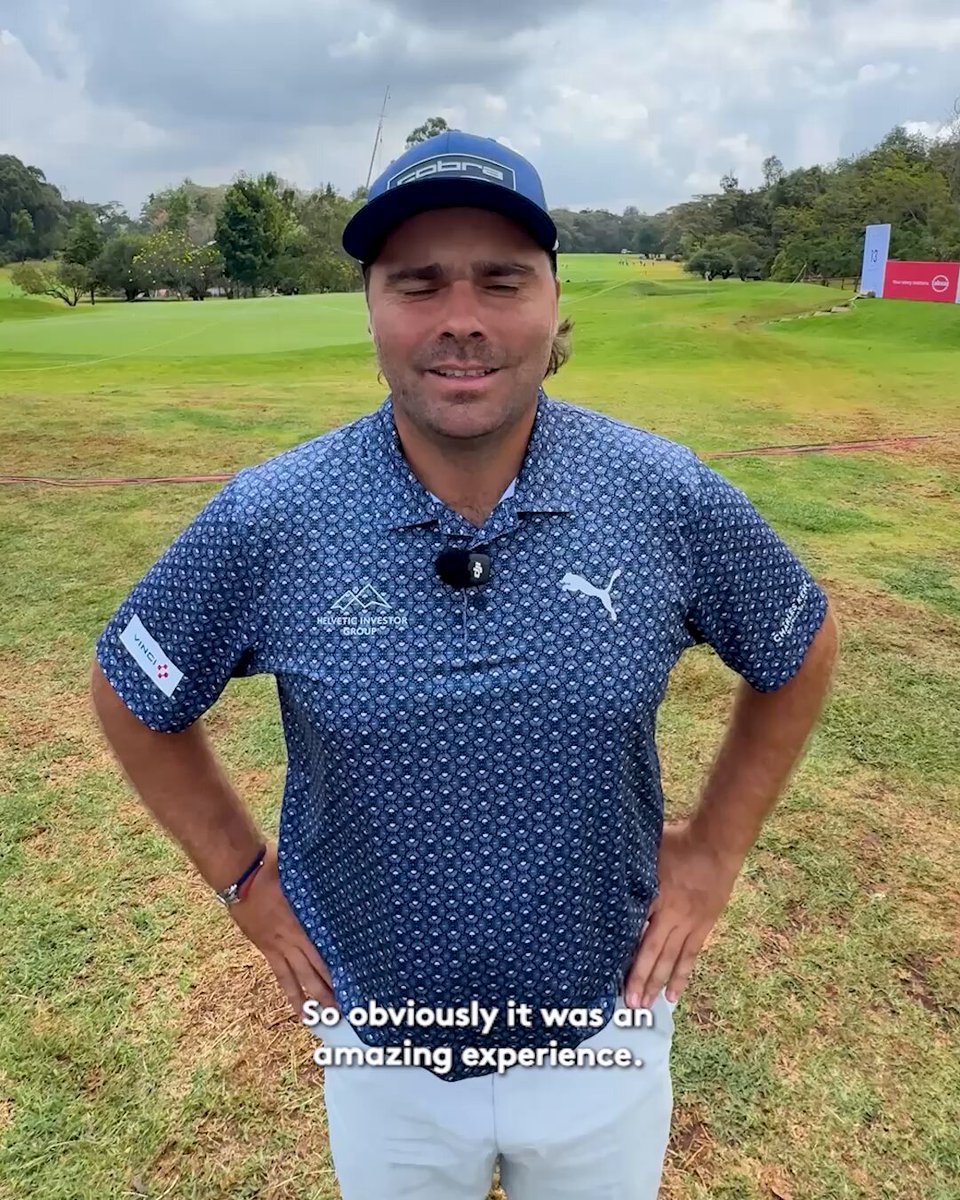
Romain Langasque shares cherished memories from his 2016 Masters debut, including an unexpected meeting with a golfing legend.

Chris Gotterup headlines historic freshman class at Augusta National. Four wins in 10 months earn world No. 11 his Masters debut among record debutants.
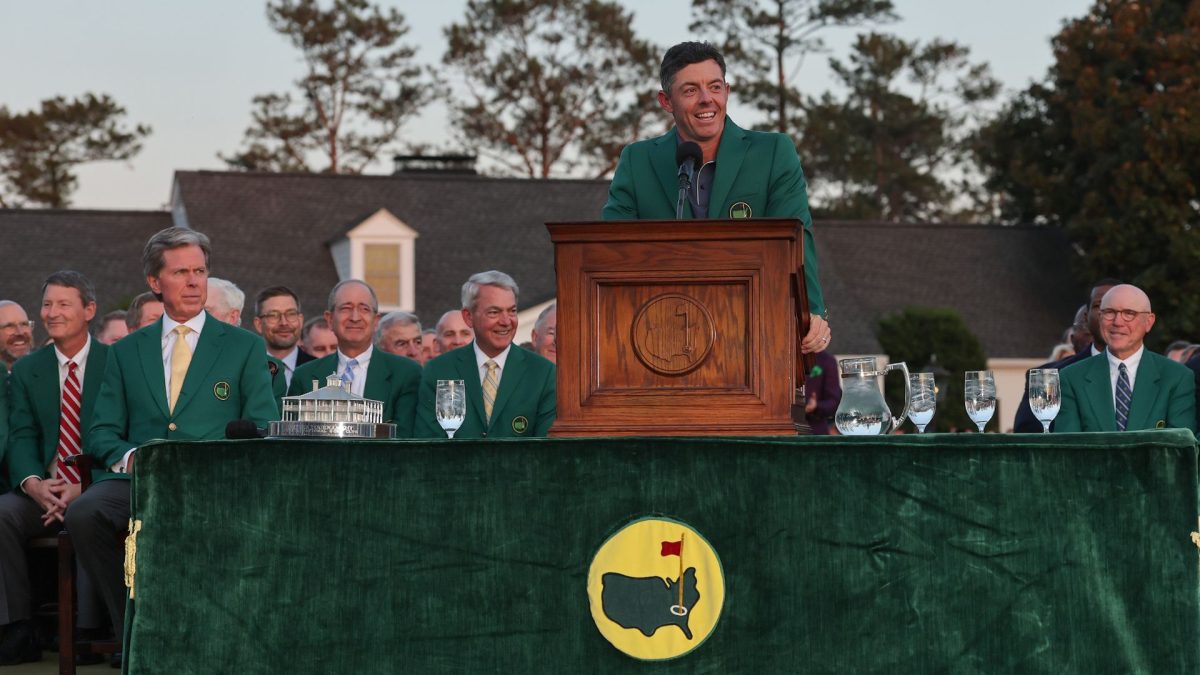
Rory McIlroy hosts golf’s most exclusive dinner tonight with bacon-wrapped dates, grilled elk, and a 1990 Lafite—the wine he drank when he won.
The world’s top-ranked golfer brings his 9-day-old son Remy to Augusta. McIlroy seeks back-to-back titles while LIV stars Rahm and DeChambeau arrive in hot form.
Augusta National prepares for historic tournament without two iconic figures. Focus shifts to hungry contenders chasing their first green jacket.
Legendary golfer will miss next week’s tournament due to a personal health matter, marking a historic absence from Augusta.
Bob Does Sports faces off against Grant Horvat in an entertaining golf match with plenty of banter and competitive spirit at a Florida course.

The three-time Masters champion announces he will miss next week’s major championship and take an extended break from competition.

The legendary golfer offers practical advice to elevate your chipping technique. Learn how to improve consistency around the greens.
A great example from the USGA drives the point home: Imagine a ball putted from the green into a bunker. Rule 18.1 helps players escape seemingly hopeless situations—instead of struggling in the sand, they can take a one-stroke penalty and replay from the original spot. This flexible rule offers more solutions than many amateurs and even pros realize.
Every golfer knows the frustration of a seemingly safe putt that rolls tragically into a bunker. But the rules don’t force you into a risky bunker shot—Rule 18.1 provides a smarter alternative. With just a one-stroke penalty, you can replay from where you last played. The best part? This rule applies anywhere—fairway, green, or rough.
As the USGA example shows, when faced with a bad bunker lie, retreating to the green is often the wiser move. Instead of gambling on an unpredictable sand shot, this rule turns disasters into manageable situations. Sometimes, a penalty stroke is a small price to pay for a safer outcome. This intentional flexibility saves players from countless tricky scenarios and highlights the strategic depth of golf.
“At any time, a player may take stroke-and-distance relief by adding one penalty stroke and playing the original ball or another ball from where the previous stroke was made. The player always has this stroke-and-distance relief option: No matter where the player’s ball is on the course, and even when a Rule requires the player to take relief in a certain way or to play a ball from a certain place. Once the player puts another ball in play under penalty of stroke and distance: The original ball is no longer in play and must not be played. This is true even if the original ball is then found on the course before the end of the three-minute search time.”
Many golfers underestimate the player-friendly nature of the rules—the principle of “play the ball as it lies” isn’t set in stone. Rule 18.1 proves it perfectly: Whether it’s a lost ball, out-of-bounds, or a botched putt like in the USGA video, restarting with a penalty stroke always provides an escape route.
Phil Mickelson’s four bunker shots at the 2025 PGA Championship are proof—even pros sometimes overlook this tactical advantage. Had he used Rule 18.1, taking a penalty to replay from his previous spot, the outcome might have been far better. A clear example of how this rule can turn disaster into control.