Brooks Koepka discovered a critical equipment error after his opening round at Augusta. The wrong driver setting may have affected his performance.
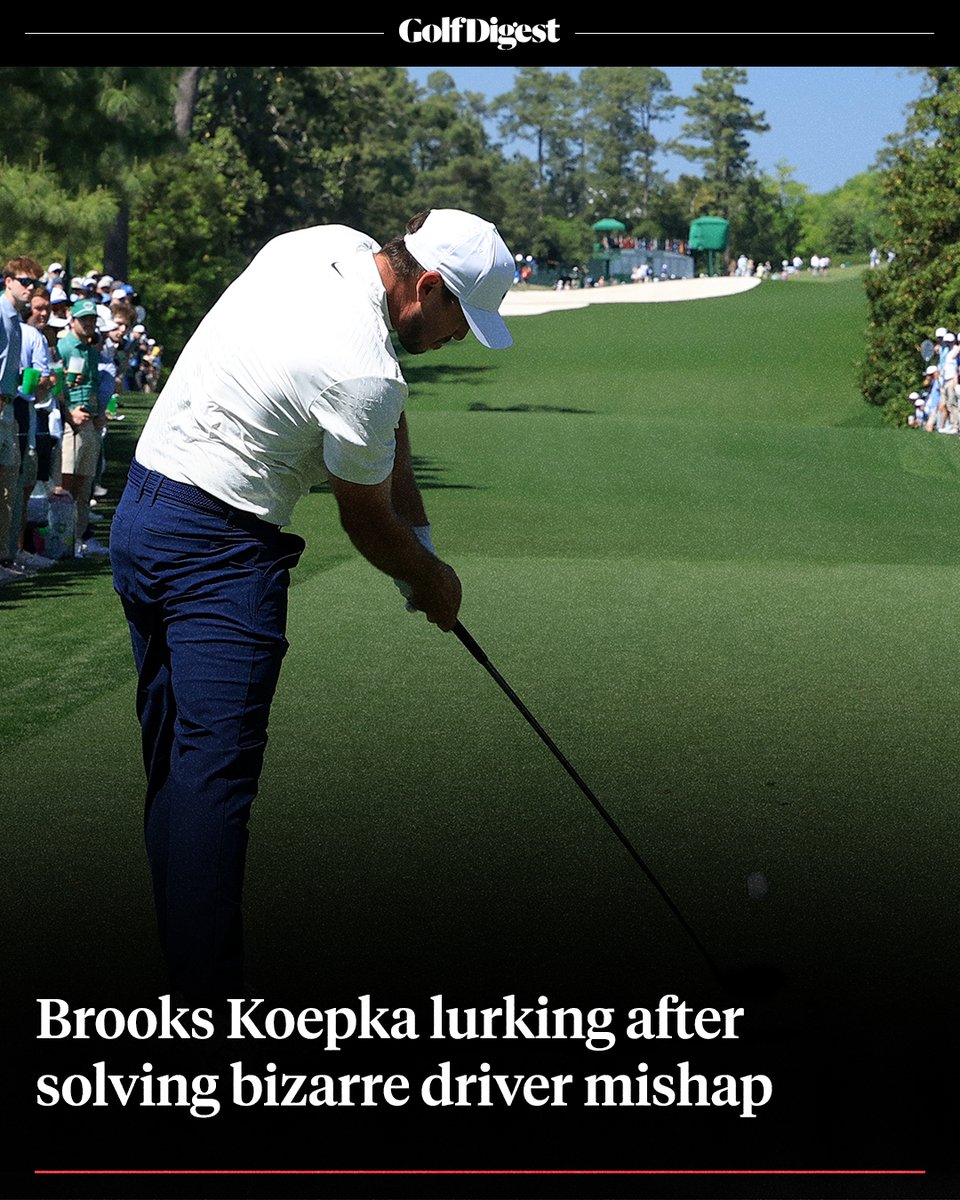
Brooks Koepka discovered a critical equipment error after his opening round at Augusta. The wrong driver setting may have affected his performance.

Golf Lab testing reveals hitting down on your driver costs you serious yards. Here’s exactly how much distance you’re leaving on the course.

A DP World Tour player credits equipment adjustments with solving a persistent swing issue heading into the spring season.

A DP World Tour player credits off-season equipment adjustments with newfound form heading into a crucial stretch of competition.
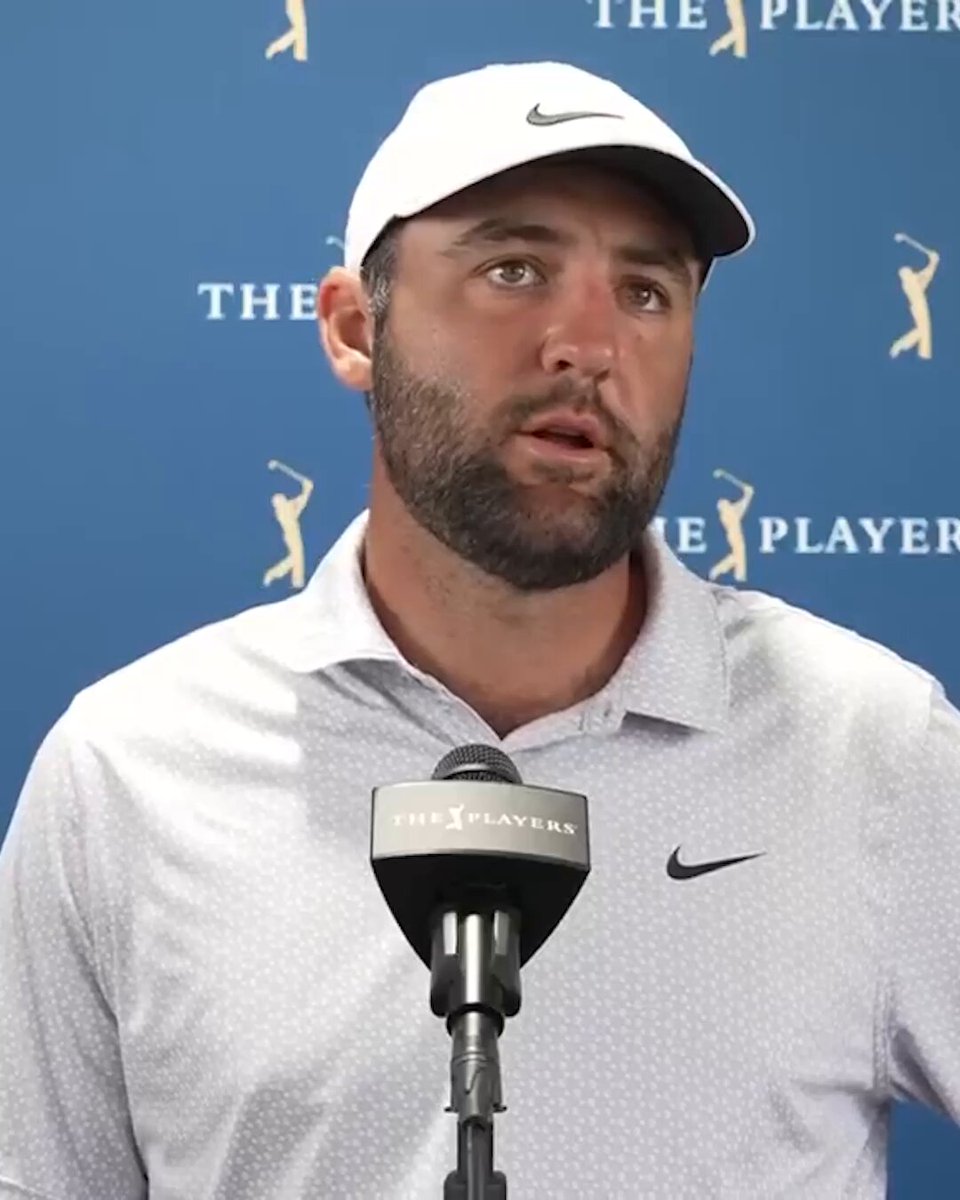
Scottie Scheffler battles driver consistency at THE PLAYERS, hitting just half his fairways Thursday before heading to the range.
Thin air forces Danish pro to add loft and gain 35 meters off the tee. Equipment adjustments crucial at 1,800 meters elevation.

It’s no secret that many celebrities find refuge on the golf course, and Justin Bieber is no exception. Over the years, the now 30-year-old singer has been vocal about his passion for golf, once claiming to have played to a 15-handicap. Bieber recently gave his fans a glimpse of his golf game by posting a video showcasing an ambitious shot: the challenging and rarely-seen “Driver off the Deck.”
For those unfamiliar, hitting a driver off the fairway is a bold move, even for seasoned golfers. It requires precise technique and control, as the shot eliminates the support of a tee, demanding the utmost accuracy. In the video, Justin Bieber can be seen addressing the golf ball with confidence before attempting this high-risk play. Bieber’s swing and the result of the shot sparked interest across social media. While opinions on his performance varied, the video highlights his enthusiasm for the game.
Sieh dir diesen Beitrag auf Instagram an

TaylorMade has taken a further step in the development of golf clubs specifically for women with the introduction of the new Kalea Gold line. The Kalea Gold irons are part of this new premium line characterised by innovative technology and elegant design, according to TaylorMade. The clubs were designed by women for women and are intended to help players of all abilities improve their golf game.
The Kalea Gold irons are the result of a comprehensive development process in which TaylorMade involved a wide range of groups, playing strengths and types. This included the TaylorMade Women’s Advisory Board, which is made up of female golf professionals from different areas of the industry. This group, along with other test panels and feedback from users of the previous model, Kalea Premier, helped to accurately identify the needs and preferences of female golfers. A particular focus was placed on the appearance and performance of the clubs.
The Kalea Gold family focuses on elegant colours such as white, blue and gold, a deliberate departure from the pastel shades often used for women’s clubs. The club heads of the irons are slim and modern in design, with a thinner topline that offers a clear, clean look in play.

The Kalea Gold Driver utilises the Carbonwood™ construction which allows the mass to be strategically placed in the club head. This optimises energy transfer, increases launch angle and maximises distance while ensuring a high level of forgiveness and stability.
The fairway woods and rescue clubs in the line are also equipped with the latest technologies. The Speed Pocket™ and Inverted Cone Face technology minimise miss-hits on off-centre shots. In addition, the ultra-light carbon construction ensures better launch conditions and higher ball speeds.
Technologically, the Kalea Gold irons are characterised by several features that are designed for maximum performance. They utilise the Cap Back™ design in combination with Speed Pocket™ technology to optimise ball launch and forgiveness. The irons also feature an ECHO® Damper for improved sound and feel. The club faces are specially designed to enable higher ball speeds, which should lead to more length.
Another feature of the Kalea Gold irons is their increased loft option compared to the previous Kalea Premier version. This should better cover the gaps between the different clubs in the set and help players to achieve a consistent trajectory. In addition, the irons have a progressive upright lie angle, which supports a slight draw bias and should therefore help against the slice.
The Kalea Gold irons are not only suitable for beginners, but also for advanced golfers looking for a powerful club that will help them take their game to the next level. TaylorMade offers the irons with customisation options so players can tailor their clubs perfectly to their needs.
The Kalea Gold clubs will be available to pre-order from 20 August 2024 and will be available in stores from 6 September 2024. The prices for the individual clubs are in the premium segment: the driver costs £449 / EURO 599, fairway woods £249 / EURO 329, rescue clubs £199 / EURO 269, irons £122 / EURO 165 per iron and the putter £249 / EURO 329.

Advances in sweet spot technology, size, launch angle, composition, ball speed, and forgiveness are just a few categories where manufacturers like Titleist, Callaway, TaylorMade or Cobra invest considerable time and money in research and development. The result is a vast array of drivers on the market, each with unique features and benefits.
Golfers face a tough decision in selecting the “right” driver from this extensive range, while pairing this with goals like aiming for shorter approach shots, greater distances, or even the chance for eagles. Although it’s just one club in the bag, it’s often the most expensive. To help you make an informed decision, here are the key factors to consider when buying a driver.
Clubheads are measured by volume in cubic centimeters (cc), with the maximum allowed size being 460 cc. Nearly all modern drivers utilize the full 460 cc, offering more forgiveness. Compact or mini drivers are available for players seeking greater control and precision. The shape of the clubhead, whether vertical or horizontal, and its degree of forgiveness and loft vary based on the manufacturer’s design.
Driver technology has come a long way from persimmon and even steel woods. Today, drivers are predominantly made from titanium, carbon or similar lightweight materials. Titanium is favored for its strength, durability, and light weight, allowing for larger clubheads without a significant increase in weight. This enables faster swings, longer drives, and greater forgiveness thanks to a larger sweet spot. Some drivers feature a mix of materials, incorporating light substances like carbon or heavier ones like tungsten to optimize performance.
Create your own virtual golf bag on Golf Post! Show the community which clubs you have in your bag and fill out your “What’s in the Bag” now.
The CG of a driver is a singular balance point. Adjusting fixed or movable weights in the clubhead shifts this balance. Generally, a lower and rearward CG produces more spin, resulting in a higher ball flight and increased forgiveness. Moving the CG forward enhances ball speed but reduces spin and MOI, which impacts forgiveness. A higher MOI means less likelihood of club twisting on off-center hits.
Getting fitted by a professional is crucial to determine the best launch angle. Key factors influencing ball flight include ball spin and launch angle. The loft angle significantly affects how high or low the ball launches.
Loft determines the ball’s flight height and is measured vertically. Most drivers have a loft between 8 and 12 degrees. Higher loft creates more backspin, lifting the ball. Many golfers mistakenly believe lower loft equals longer drives, but a higher loft often results in a longer carry for most players.
| Player Type | Shaft | Loft |
|---|---|---|
| Women and seniors with a swing speed of less than 60 mph | Ladies or seniors | 13 – 15 degrees |
| Seniors with a swing speed of 60 – 75 mph | Seniors | 13 degrees |
| Players with a swing speed of 75-85 mph | Regular | 12 degrees |
| Players with a swing speed of 85-95 mph | Stiff | 10 – 11 degrees |
| Players with a swing speed of more than 95 mph | Stiff or X-Stiff | < 10 degrees |
Determining the ideal loft and launch angle can be challenging. To address this, manufacturers have introduced adjustable features that allow customization by turning a screw. Many drivers enable loft adjustments of up to 4 or 5 degrees, varying by brand and model. It’s important to realign the clubface during these adjustments, as misalignment can affect the ball’s horizontal flight, causing it to veer right or left.
The clubhead’s angle to the target is crucial. When the clubhead is perfectly vertical, it is perpendicular to the target. Turning the clubface away opens the clubhead and reduces loft, while turning it towards the player closes the clubface and increases loft. For players who slice, a closed clubface helps maintain the target angle and prevent the ball from veering right. Conversely, an open clubhead can help players who hook to the left achieve straighter shots. Here are some tips to improve your clubhead speed.
Adjustable weights in the clubhead can significantly influence the ball’s flight by affecting the center of gravity and moment of inertia. The goal is to achieve the optimal center of gravity at impact, regardless of weight settings. Drivers can have various weights ranging from 1 to 20 grams, which can be positioned on the sole to promote a draw (more weight at the back), fade (more weight at the front), or higher ball flight (more weight at the back). Each manufacturer offers different methods for adjusting these weights.
COR (Coefficient of Restitution) measures the energy transfer from the clubhead to the ball, with a maximum allowed COR of 0.83. The smash factor indicates how efficiently energy is transferred, calculated by dividing ball speed by clubhead speed. An ideal smash factor is 1.50.
The shaft is crucial for driver performance. Manufacturers offer shafts in various flexes, such as regular (R), stiff (S), and extra stiff (XS). Less stiff shafts promote a higher, right-to-left ball flight, while stiffer shafts create a lower trajectory with a tendency to the right. The standard driver length is 48 inches, but most range between 43 and 46 inches. A longer shaft can generate more speed but may reduce control.
Once you’ve nailed your driver shot from the tee, the goal is to reach the green in regulation or better. This brings fairway woods and irons into play. Check out our comprehensive guides on fairway woods and irons for more insights.
By considering these factors and getting properly fitted, you’ll be well on your way to finding the perfect driver to enhance your game.

When looking at Tony Finau’s golf bag, some long-established Masters Tournament fans might be reminded of an edition 18 years ago. Back then, in 2006, Phil Mickelson won his second green jacket at Augusta National. And he did so with a special set of clubs. Like Finau this year, “Lefty” relied on two drivers back then.
The explanation for this “double lotto” in Finau’s bag is relatively simple. During his tournament preparation, the American realised that he could only use his 3-wood on a single hole (hole 8) and set about looking for an alternative. The solution presented itself in the form of a second driver. In addition to the Ping G430 LST with 7.75 degrees of loft, Finau will be adding another Ping G430 LST to his bag for the Masters Tournament 2024, but this one has around 9 degrees of loft and a shaft that is three-quarters of an inch shorter. According to Ping, Finau can use it for his tee shot on five holes (holes 2, 7, 10, 14 and 17). The driver is also more forgiving than the comparable 3-wood and even with the higher loft, the long hitter still manages 300 yards or 275 metres.
Although not in his tournament bag, Tony Finau now uses a specially designed putter for training rounds at home. Together with his equipment supplier Ping, Finau has designed a prototype that fulfils his special requirements. The American relies on his putter particularly for short shots from the first cut around the greens and turns it 90 degrees for these shots so that he catches the ball with the heel. The new putter is said to have a cube shape, placing the weight directly behind the golf ball. The patent, which was presented on Wednesday ahead of the Masters Tournament 2024, features Finau himself as well as Tony Serrano, Head of Putter Design at Ping, and CEO John A. Solheim.
The idea started from Finau using the toe of his putter to hit certain putts. Finau liked the feel and worked with Tony Serrano, PING Principal Design Engineer, and John A. Solheim, PING Executive Chairman, to design a #PLD prototype that delivered similar feel and allowed him to… pic.twitter.com/zLBaeQf1En
— PING GOLF (@PingTour) April 11, 2024
“When Tony turns his putter over and hits a putt with the toe, all the mass is directly behind the ball,” Serrano said. “So he came to us and said, ‘How can we make a putter that has some of these feelings and attributes and sounds that I get when I turn this putter over?’”