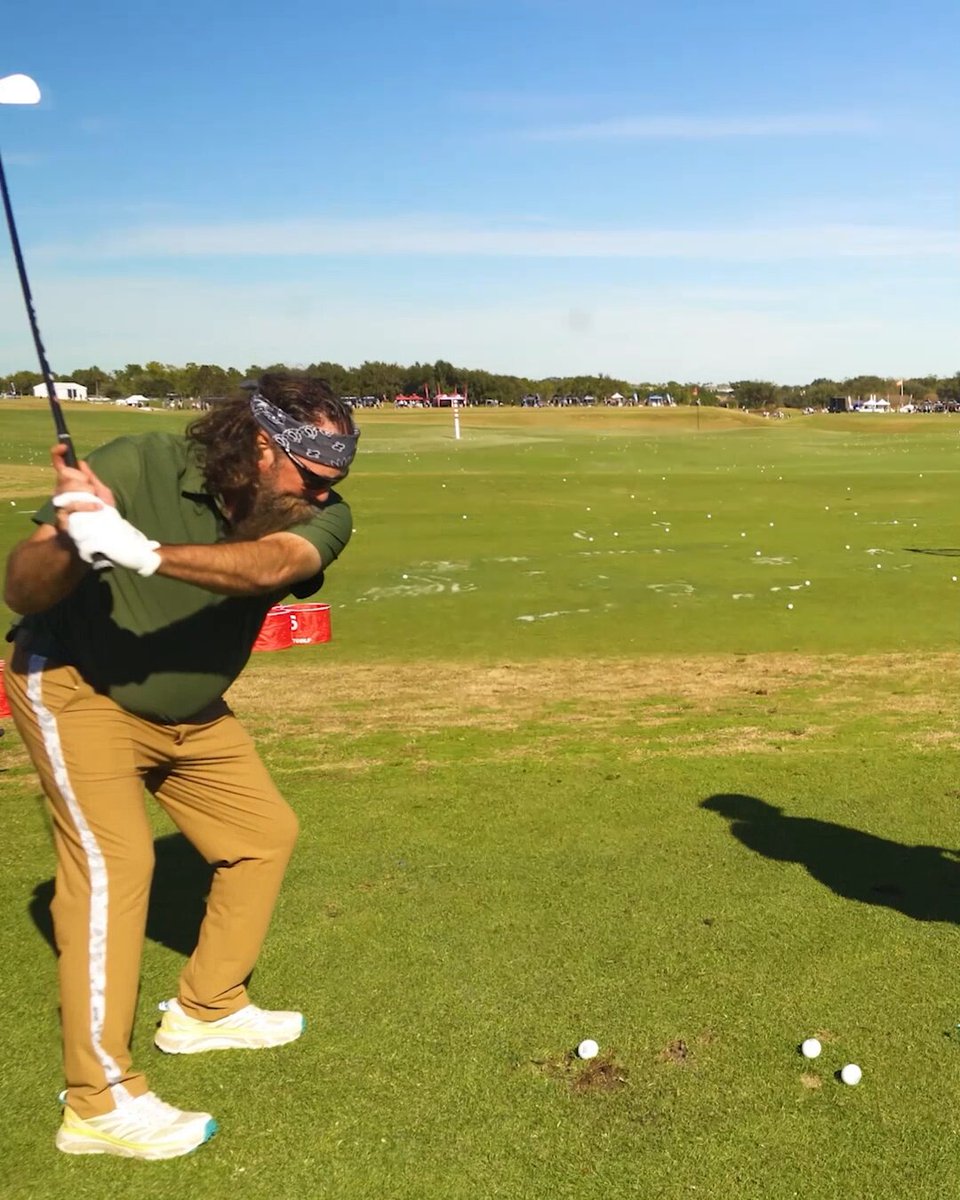
Adding a low stinger shot to your arsenal can be a game-changer, especially when you need to keep the ball under the wind or navigate tight fairways. PGA Coach Ryan Adams breaks down the technique to help golfers improve their control and distance with this effective shot.
The stinger is a low-flying shot that reduces the ball’s airtime, making it less susceptible to wind interference. It’s particularly useful on long par-4s or when playing into strong headwinds. Unlike a typical high-trajectory shot, the stinger requires a slightly different setup and swing approach.
How to Execute the Low Stinger Shot
Ryan Adams emphasizes the importance of ball position and club selection. The ball should be placed slightly back in your stance, closer to the right foot for right-handed players. This promotes a descending strike, which helps keep the ball flight low.
Using a long iron or hybrid is ideal for the stinger. Adams recommends gripping down slightly on the club to gain more control and reduce the loft. The swing itself should be more abbreviated, focusing on a smooth, controlled motion rather than a full, powerful swing.
Benefits of the Stinger in Competitive Play
On the PGA Tour, players often use the stinger to manage challenging course conditions. It allows them to maintain accuracy and roll out the ball further on firm fairways. This shot can also help in recovery situations where height is a disadvantage.
Mastering the stinger adds versatility to your game and can lower scores by improving shot selection under varying conditions. It’s a valuable skill for both amateurs and professionals looking to enhance their shot-making capabilities.
Practice the technique as shown by Ryan Adams, focusing on ball position, club choice, and swing control. Incorporating the stinger into your repertoire can provide an edge during windy days or when you need to keep the ball flight low and penetrating.