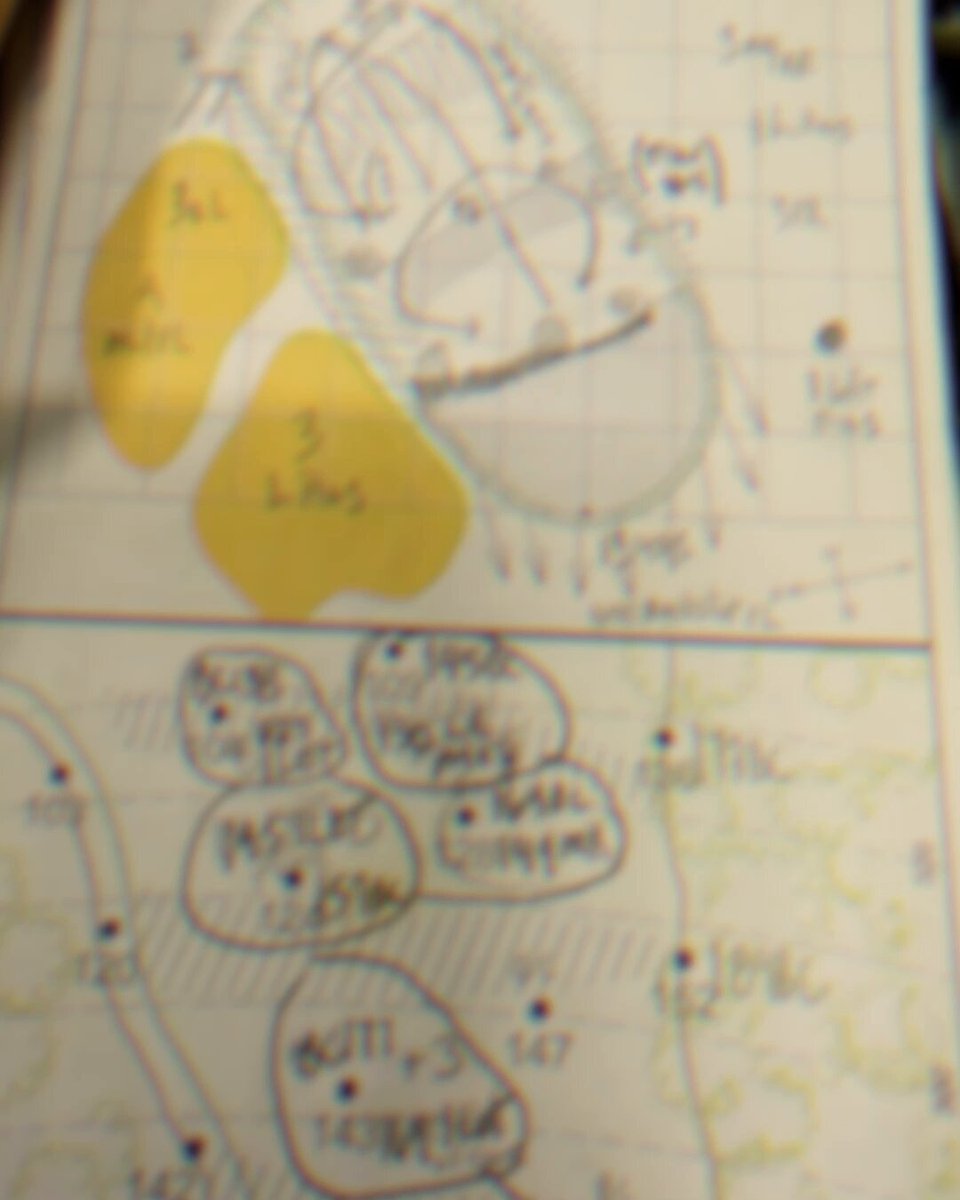
A detailed look at how Masters caddies decode every yard, slope, and pin position with cryptic notes and precise measurements.
The Masters Tournament is a showcase of precision golf, and nowhere is that more evident than in the yardage books carried by caddies walking the fairways of Augusta National. These small, weathered notebooks contain far more than simple distance measurements—they are intricate maps of strategy, compiled through years of observation and refined over countless hours of preparation.
Golf Digest recently pulled back the curtain on what these masterpieces of caddie craftsmanship actually contain, revealing a fascinating system of notation that separates the elite support teams from the rest of the field.
Decoding the Symbols and Slopes
The foundation of any yardage book begins with the basics: arrows marking slope direction on the greens. But Masters caddies take this several steps further. Notes like “fast” and “very fast” identify how aggressively the greens will roll in different areas. References to “backslope” inform players about the terrain behind the putting surface, crucial information when deciding club selection into the green.
What makes these books truly remarkable, however, is the granular detail given to every conceivable scenario. Around each green, caddies record numbers from multiple positions—essentially creating a difficulty rating system for chip shots. These ratings run from 1 to 4, with 1 representing an easy chip (such as those from the right side of the 9th green to left pins) and 4 indicating a genuinely treacherous pitch (like approaches to front-left pins).
This preparation allows players and their caddies to make informed decisions instantly, rather than assessing each shot in a vacuum.
The Language of Landmarks and Aim Points
From the fairway, the yardage book becomes something closer to a treasure map. Cryptic abbreviations mark distances to specific targets, many of which are visible only from certain angles. A notation reading “157 BC” means exactly 157 yards to the back corner of the green. These precise yardages eliminate ambiguity when players ask their caddies for distances.
But perhaps most ingeniously, caddies use prominent course features as aim lines. A note reading “145 one lot” tells a player to hit a 145-yard shot while aiming one yard left of a TV tower. Similarly, “Mag” directs attention to the magnolia tree—a crucial reference point for alignment on a course where every yard matters.
These landmarks serve a dual purpose: they provide immediate visual targets and they account for optical illusions created by Augusta’s unique topography and tree-lined corridors. A golfer aiming at a distant tree sees it the same way regardless of weather conditions or time of day, making it a more reliable reference than trusting the eye alone.
The Preparation Behind Championship Performance
The volume of notes crammed into a Masters yardage book reflects the comprehensive preparation required to compete at Augusta National’s highest level. Caddies must be ready for every possible scenario: different weather patterns, various pin placements across the week, and the infinite combinations of shot selection that arise during tournament play.
This meticulous documentation represents countless hours of walking the course, measuring distances with laser rangefinders, studying green complexes from multiple angles, and identifying the subtle features that can mean the difference between a birdie and a bogey. On a course where Augusta National’s management deliberately changes conditions throughout each tournament week, having this detailed reference material becomes invaluable.
The yardage book is ultimately a testament to the professionalism that separates PGA Tour caddies from casual observers. It transforms the seemingly simple act of walking 18 holes into a calculated exercise in precision, preparation, and strategic depth.
This article was created with the help of AI and editorially reviewed. Report an issue