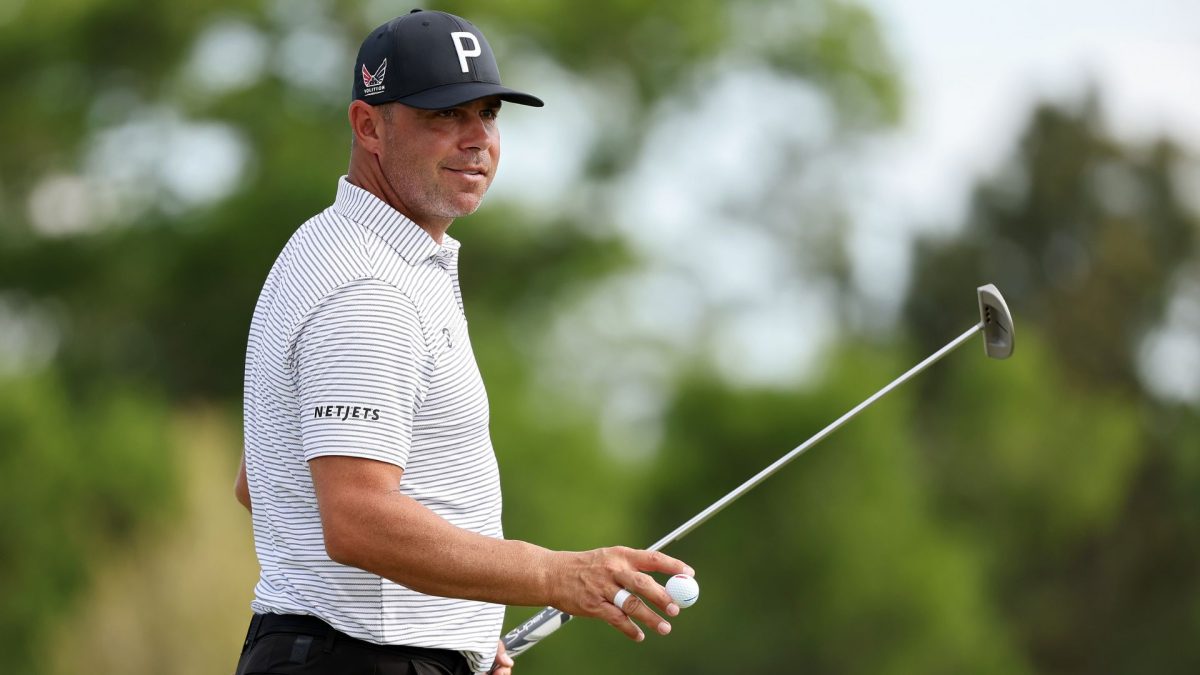
Gary Woodland claims emotional victory at Houston Open, first PGA Tour win since 2019 US Open triumph.
Gary Woodland etched his name back into the PGA Tour winner’s circle on Sunday, capturing the Houston Open in an emotional triumph that marked his first victory since the 2019 U.S. Open. The 36-year-old American’s return to the winner’s podium carries particular significance given the considerable personal challenges he has navigated in recent years.
In an interview with Golf Channel following his victory, Woodland reflected on the magnitude of the moment with clear emotion. “Today was a good day,” he said simply, underscoring the weight of the achievement. The statement carried deeper meaning than the words alone suggested, as Woodland had previously revealed a diagnosis of post-traumatic stress disorder and underwent brain surgery—challenges that tested both his physical and mental resilience.
A Victory Beyond the Scorecard
For professional athletes, victories on the golf course serve as measurable proof of return to form. Yet Woodland’s win transcended typical tournament success. The Houston Open represented a comprehensive comeback—not merely a restoration of competitive prowess, but a reclamation of identity following serious health setbacks. Seven years separated this triumph from his U.S. Open victory at Pebble Beach in 2019, a gap that underscored both the difficulty of maintaining elite performance and the personal obstacles he had overcome.
Woodland’s emotional openness about his PTSD diagnosis and subsequent brain surgery distinguished him among tour professionals. Rather than relegating these matters to privacy, he chose to share his journey publicly, offering perspective to fans and fellow competitors alike. His willingness to address mental health and neurological challenges contributed to broader conversations within professional golf about athlete wellbeing beyond the physical components of performance.
Return to Contention
The Houston Open has historically attracted competitive fields as a PGA Tour regular event, and Woodland’s success at this particular venue demonstrated his capacity to perform against quality opposition. His victory provided tangible evidence that the investment in recovery—whether medical, psychological, or competitive—had yielded substantive results.
The significance of this victory extended beyond Woodland himself. His return to winning form offered encouragement to others navigating health challenges, illustrating that setbacks need not permanently derail professional achievement. In professional sports, where narratives often emphasize youth and continuous ascent, Woodland’s story underscored the value of persistence and proper support systems in confronting adversity.
As Woodland moves forward in the 2026 season, his Houston Open victory stands as both a competitive achievement and a personal milestone—evidence that recovery from serious health challenges remains possible, even at the highest levels of professional golf.


This article was created with the help of AI and editorially reviewed. Report an issue