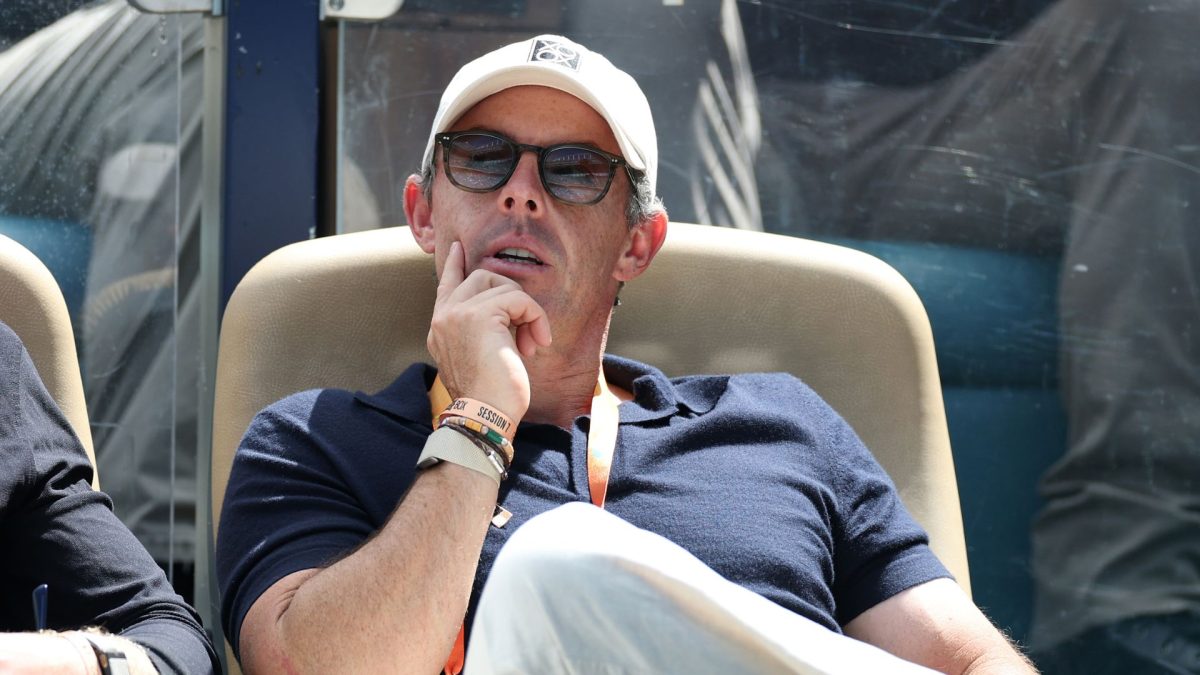
Defending champion Rory McIlroy prioritizes recovery over competition, missing key warm-up events before Augusta.
Rory McIlroy has confirmed he will bypass both the Houston Open and Valero Texas Open due to a back injury, opting instead for three weeks of rest at home ahead of the Masters. The defending champion’s decision underscores the delicate balance elite golfers must strike between competitive preparation and physical recovery in the lead-up to golf’s first major.
McIlroy’s withdrawal from the traditional Masters warm-up events comes after a T46 finish at The Players Championship, a result that signals ongoing physical concerns. Rather than test his form against top competition in Texas, the McIlroy camp has decided that recuperation takes precedence.
A Different Approach to Augusta Preparation
Traditionally, the Valero Texas Open serves as the perfect final dress rehearsal before Augusta. Located just nine days before the Masters, San Antonio provides elite players a chance to fine-tune their games and build confidence against world-class fields. McIlroy’s absence breaks that pattern significantly.
“The decision reflects the reality of professional golf at the highest level,” McIlroy’s team indicated through the Golf Channel report. Three weeks of home-based recovery and rehabilitation will replace the standard tournament grind. This approach prioritizes the defending champion’s ability to compete at his best during the Masters itself rather than risk aggravating the back injury through additional competitive rounds.
The Central Question: Will the Back Hold?
McIlroy’s preparation strategy raises an obvious question heading into Augusta: can his back withstand four rounds of major championship golf? The T46 finish at The Players Championship—one of the toughest tests on the PGA Tour—suggests the injury remains problematic enough to require significant attention.
Back injuries present particular challenges in golf, where the swing demands exceptional spinal stability and rotational power. Unlike some injuries that improve predictably with rest, back issues can flare unpredictably under the pressure and physical demands of competitive play. McIlroy’s decision to skip tournament golf entirely suggests his medical team views active competition as a risk factor during the critical recovery phase.
Augusta National itself demands peak physical condition. The course’s rolling terrain, demanding rough, and pressure-packed situations create both physical and mental strain. McIlroy will arrive at the Masters having not played tournament golf for several weeks—a situation unprecedented for a defending champion in modern times.
Recovery Over Momentum
McIlroy’s choice reflects a broader principle gaining acceptance among elite athletes: strategic rest can supersede the traditional concept of “competition as preparation.” Rather than chase momentum through tournament rounds, the defending champion prioritizes arriving healthy.
This approach carries inherent risks. Three weeks without tournament competition could dull competitive edge, affect rhythm, and create rust that even practice cannot fully replicate. The mental preparation required to defend a major title typically benefits from recent competitive experience.
Yet McIlroy’s camp clearly views the back injury as significant enough that these trade-offs justify the decision. Whether that gamble pays off will become apparent in nine days when the Masters begins.
In this article



This article was created with the help of AI and editorially reviewed. Report an issue